The short answer
An ultrasonic diffuser mixes a few drops of oil with water and releases a light vapor. A cold-air diffuser uses air alone to carry pure fragrance oil into the room, with no water and no heat. A nebulizing diffuser is closely related: it also breaks oil into a fine mist with air, and many brands use the words nebulizing and cold-air to describe the same idea.
If you want a fuller, truer scent with less upkeep, cold-air is usually the one to look at. If you want a small, simple diffuser that also adds a little moisture to the air, ultrasonic is the familiar choice.
How an ultrasonic diffuser works
An ultrasonic diffuser has a small water tank and a plate that vibrates at a very high frequency. You add water and a few drops of oil, and the vibration turns the mixture into a cool vapor. Because the oil is diluted in water, the scent is light, and it can fade as the tank empties. The tank needs refilling and an occasional clean, and the vapor adds a little humidity to a room, which some people like in dry weather and others do not want.
How a nebulizing diffuser works
A nebulizing diffuser has no water tank. Air moves through the device and draws fine droplets of undiluted oil from a bottle, then releases them as a very fine mist. Nothing is heated. Because the oil is not diluted, the scent is stronger and closer to the scent in the bottle, so these devices are usually run on a timer or a schedule rather than constantly.
Where cold-air fits
Cold-air diffusion is the term most home fragrance brands use for the nebulizing approach: air, not heat or water, carries the oil. Some brands treat the two terms as separate, and designs differ in how they move the air. What they share is what matters when you choose: pure oil, no water, no heat and a scent that stays close to the bottle.
The two side by side
| Ultrasonic | Cold-air or nebulizing | |
|---|---|---|
| What carries the scent | Water vapor | Air |
| Water tank | Yes, to refill and clean | No |
| Heat | None | None |
| Oil | A few drops, diluted in water | Pure oil, undiluted |
| Scent character | Light, can fade as the tank empties | Fuller, closer to the bottle |
| Humidity | Adds a little moisture | Adds none |
| Upkeep | Rinse and refill the tank | Little beyond changing the oil |
| Control | Often a simple timer | Often a schedule and intensity, sometimes by app |
| Best for | A small room, a little humidity, a low price | Living spaces, open plans, a refined and consistent scent |
Which should you choose?
Choose ultrasonic if
- You want the lowest cost of entry.
- You like a little moisture in the air.
- You are scenting one small room.
Choose cold-air if
- You want the scent to smell like the bottle.
- You do not want to refill or descale a tank.
- You are scenting a living space or an open plan home.
- You like to set a schedule and let it run on its own.
What about candles, reeds and plug-ins?
Candles and wax warmers use heat, which can change delicate notes and brings a flame or a hot surface into the room. Reed diffusers are simple and silent, but they release scent slowly and cannot be switched off. Plug-ins are convenient but are usually limited to a single fixed scent. A cold-air diffuser gives you the most control over when, and how strongly, a room is scented.
Cost over time
An ultrasonic diffuser is cheap to buy and uses only a few drops of oil at a time. A cold-air diffuser costs more to buy and uses pure oil, so it matters how well it is made and how finely you can set the intensity. A scent that you turn down to a whisper and schedule for a few hours a day lasts much longer than one left running at full strength.
Where SERRA fits
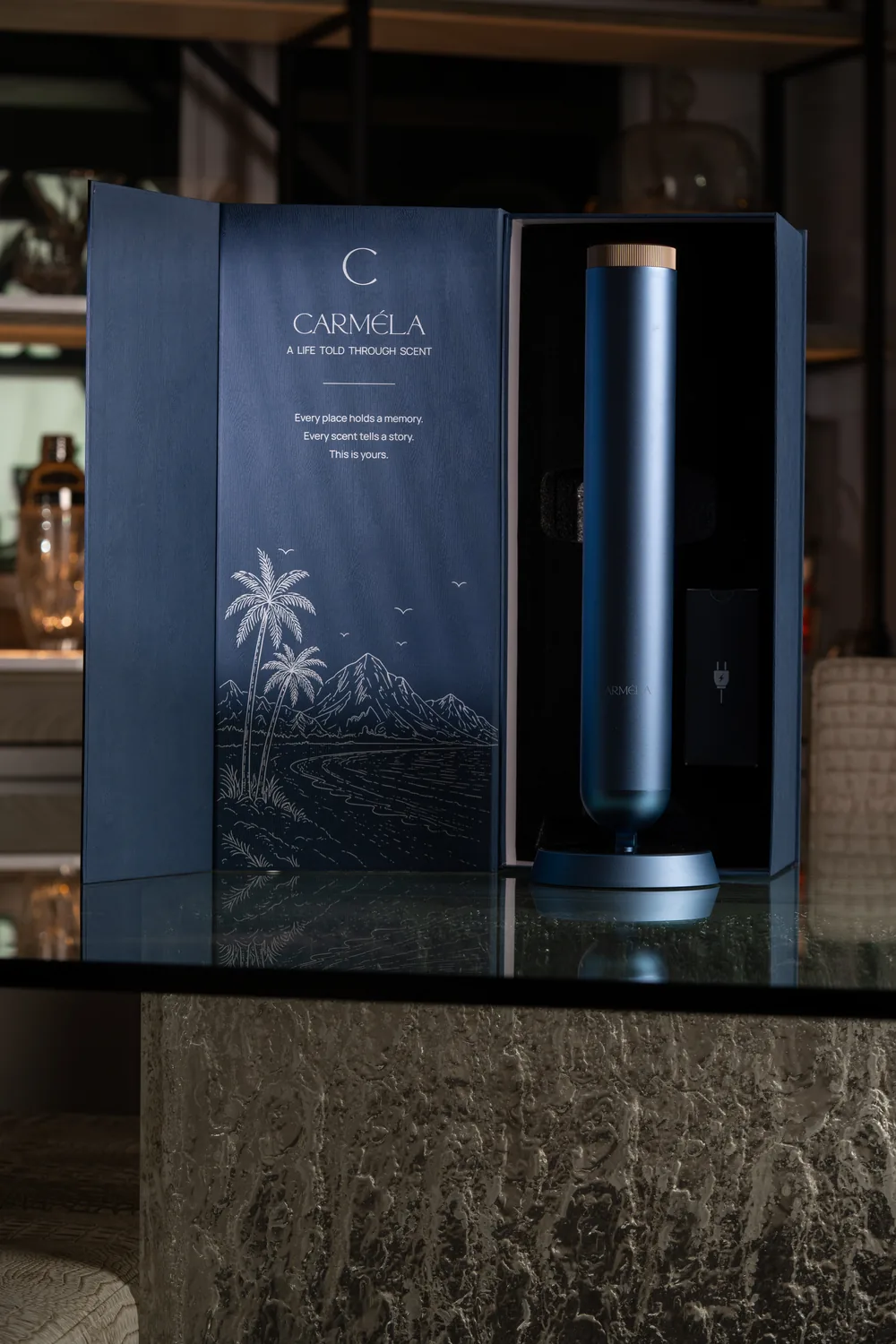
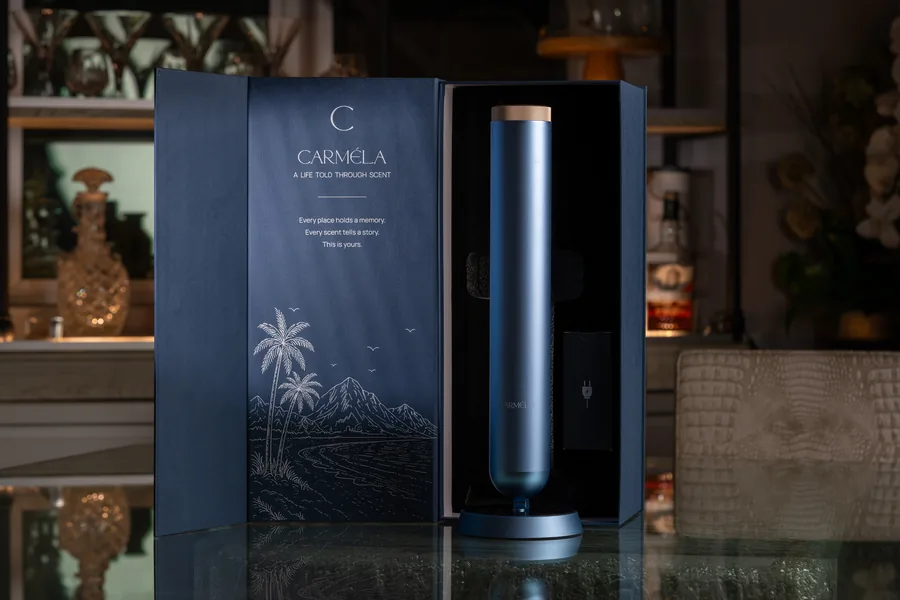
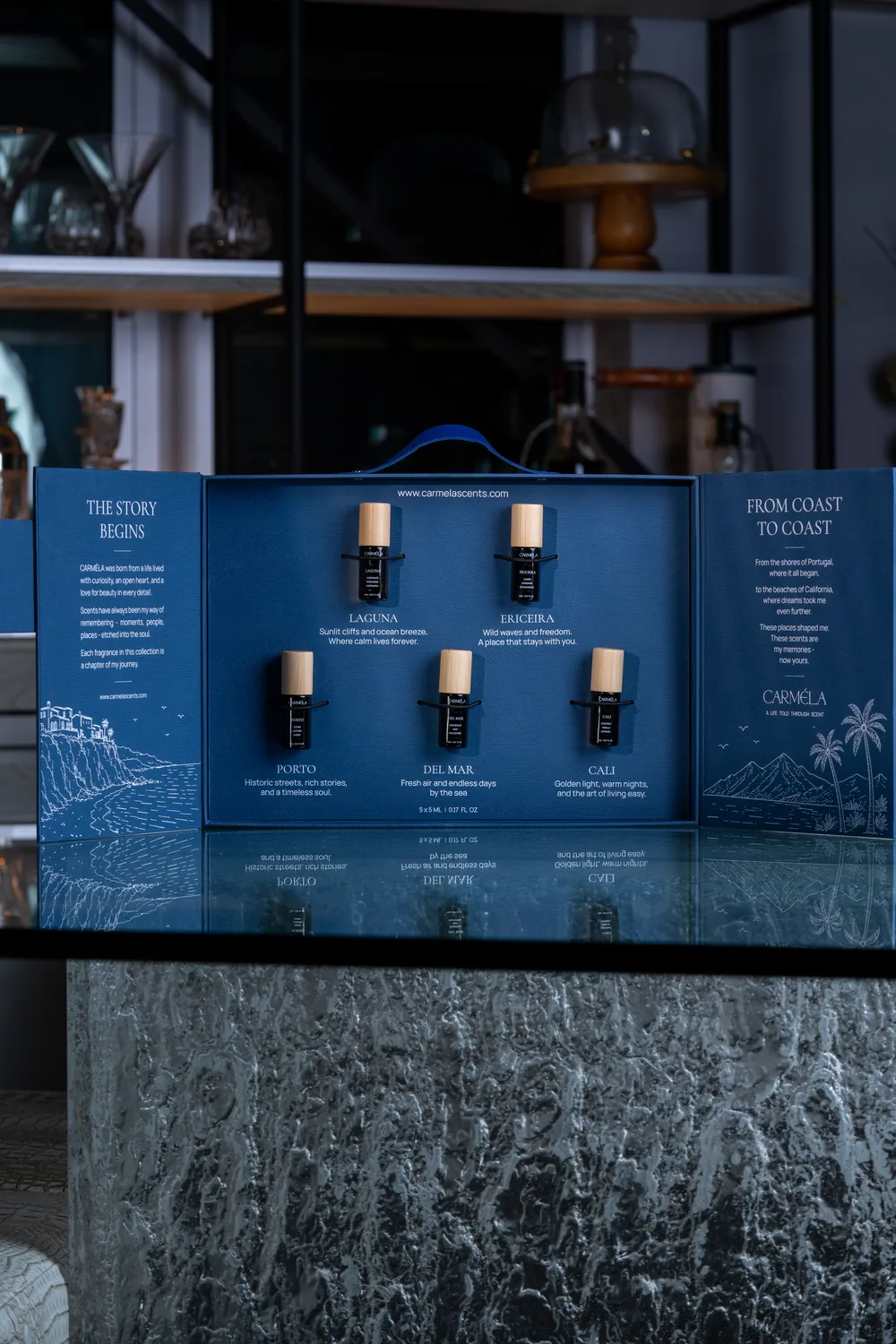
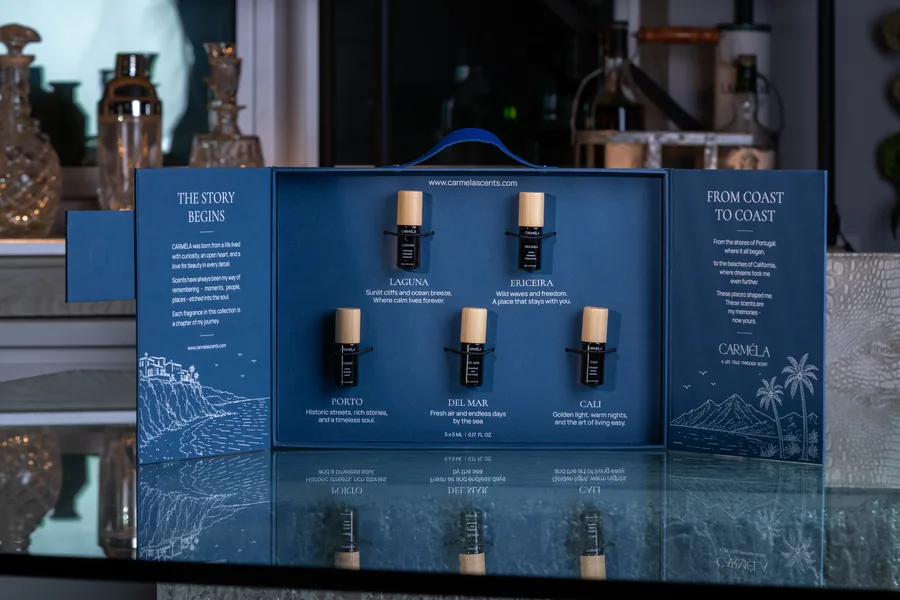
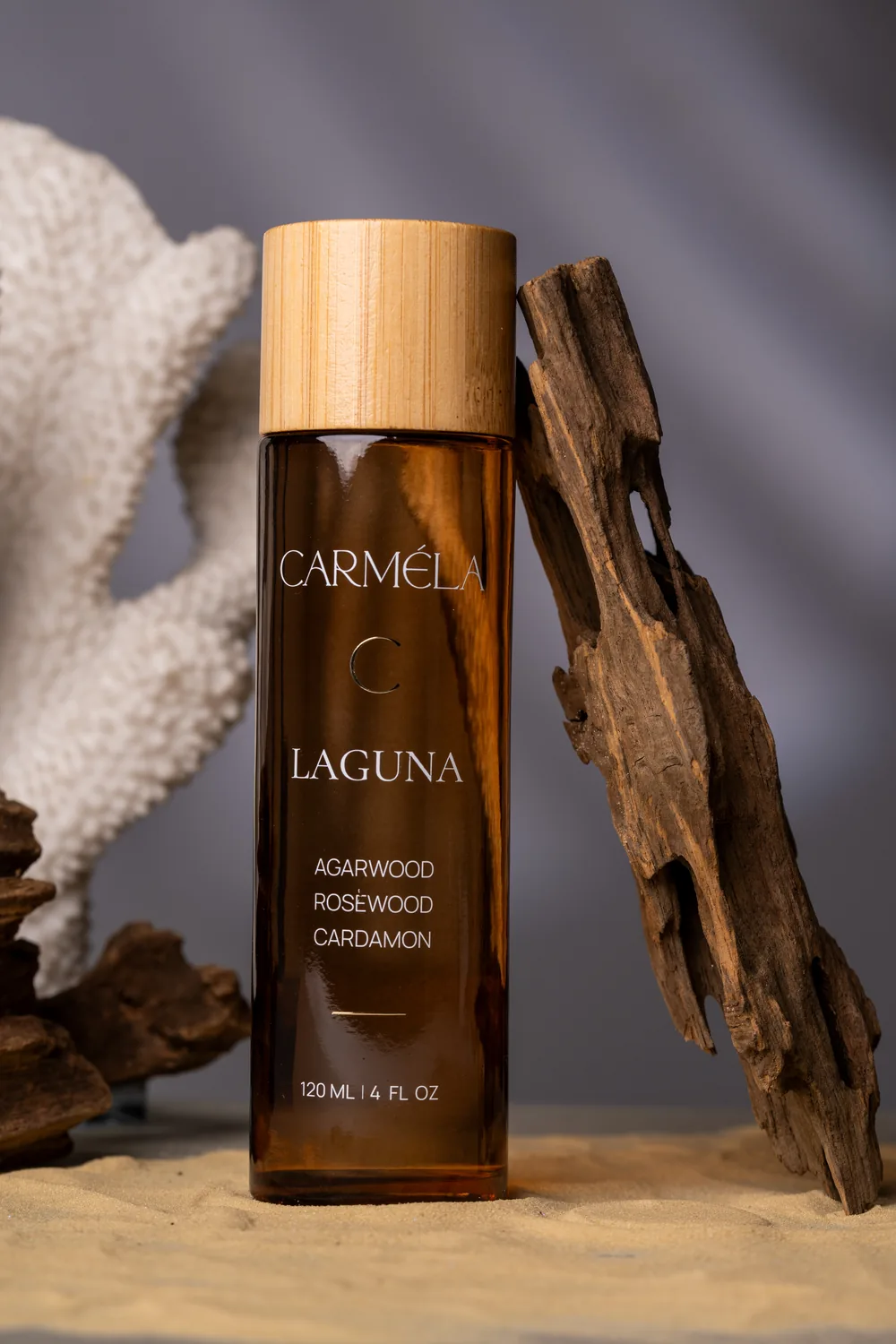
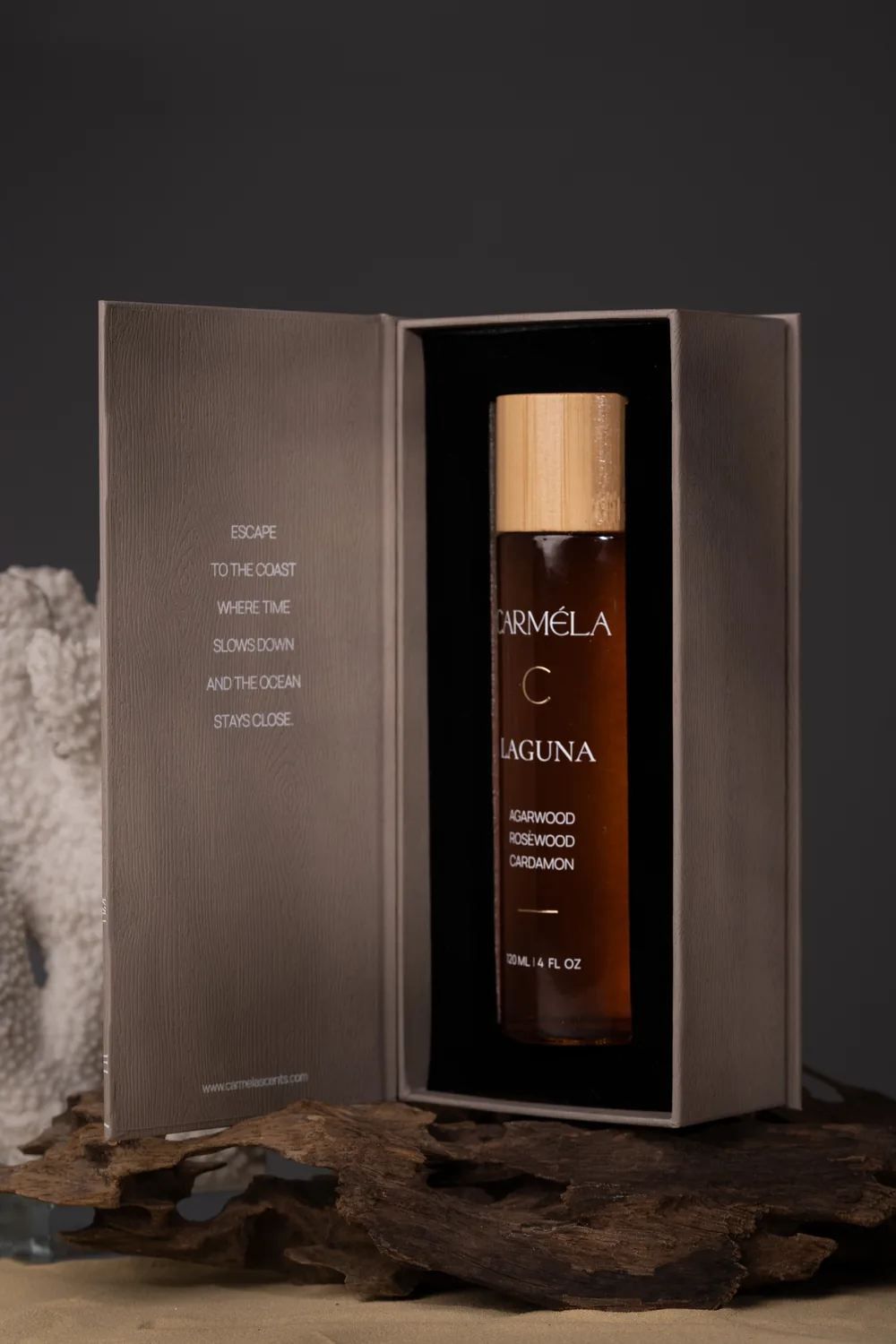
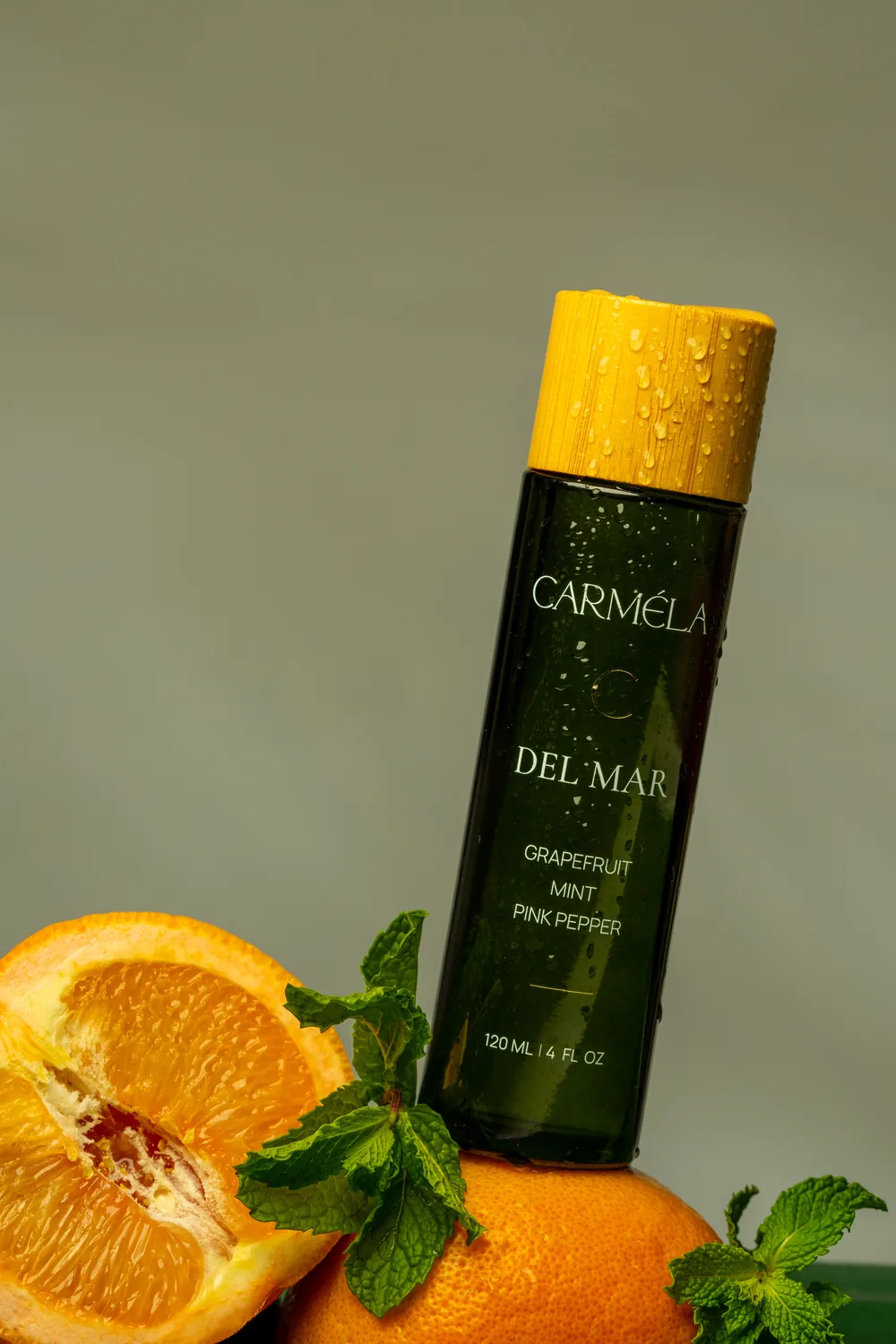
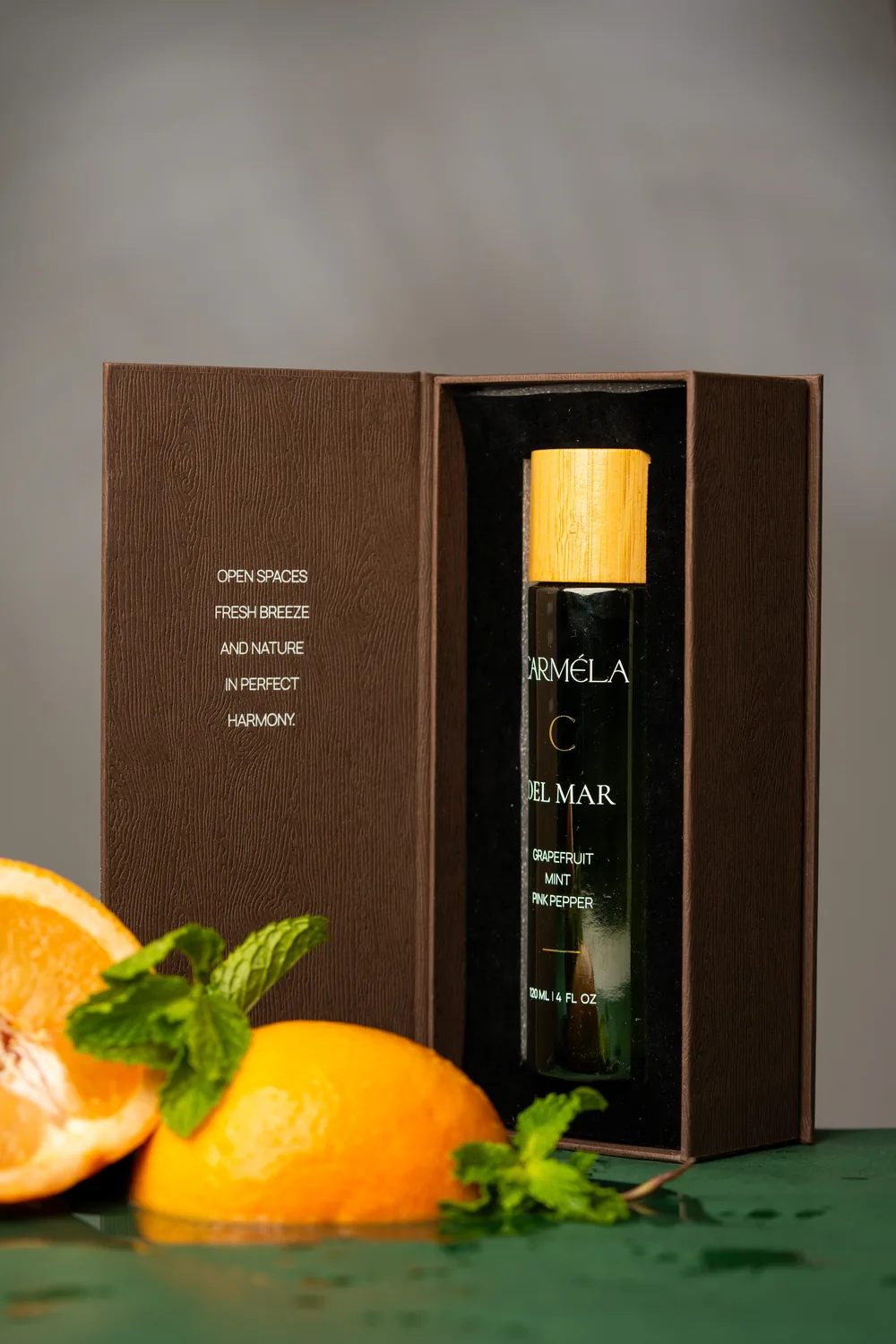
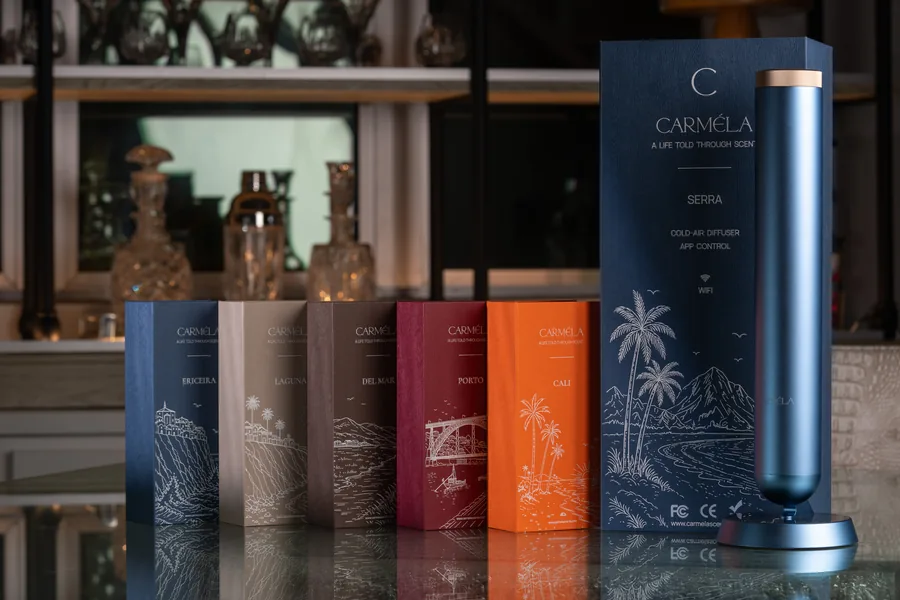
SERRA is Carmela's cold-air diffuser. It uses air to carry pure fragrance oil, with no heat, no flame and no water. It connects over Wi-Fi, so you set the intensity and the schedule from the Carmela Scents app. It takes the five Carmela fragrance oils, which you can explore in the shop or try first in the Discovery Set.