What each one is
Essential oils are concentrated extracts taken from plants, such as lemon peel, cedar wood or lavender flowers. A fragrance oil is a composed blend, designed by a perfumer to smell a particular way. It can be built from natural materials, from synthetic ones, or from a mix of both.
How they differ
| Fragrance oil | Essential oil | |
|---|---|---|
| Origin | A composed blend of aroma materials | A single plant extract |
| Range of scents | Almost unlimited, including coconut, vanilla or a place | Limited to what plants yield |
| Consistency | The same every time | Can vary by harvest and batch |
| Complexity | Layered, designed as a whole | Often one dominant character |
| Strength | Formulated for diffusing | Often strong and sharp when undiluted |
| Best for | A refined, consistent home scent | A simple, single-plant aroma |
Why home fragrance usually means fragrance oil
A scent like Cali, with coconut, vanilla and caramel, or a scent that evokes a place such as Porto, cannot be made from one plant. It has to be composed. That is why most luxury home fragrances use fragrance oils: they let a perfumer build a complete, balanced scent and make it the same every time you buy it.
Does the oil matter for the diffuser?
Yes. A diffuser is engineered around a certain kind of oil. Some oils are thicker or more resinous than others and can build up inside a nebulizing diffuser. Others are too strong or too thin for it. This is why makers tell you which oils to use, and why it is worth reading the guidance before you fill it.
Using the right oil in SERRA
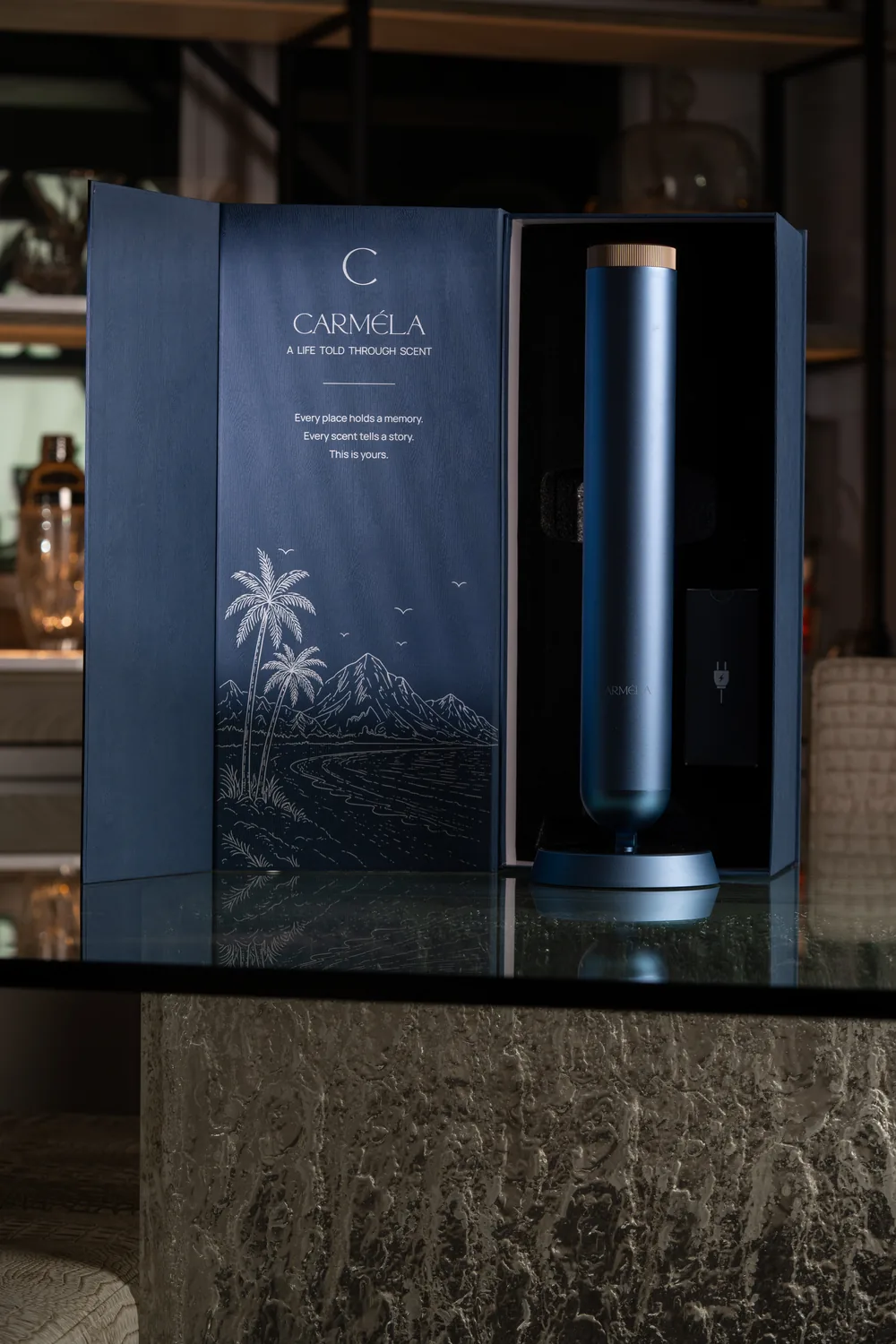
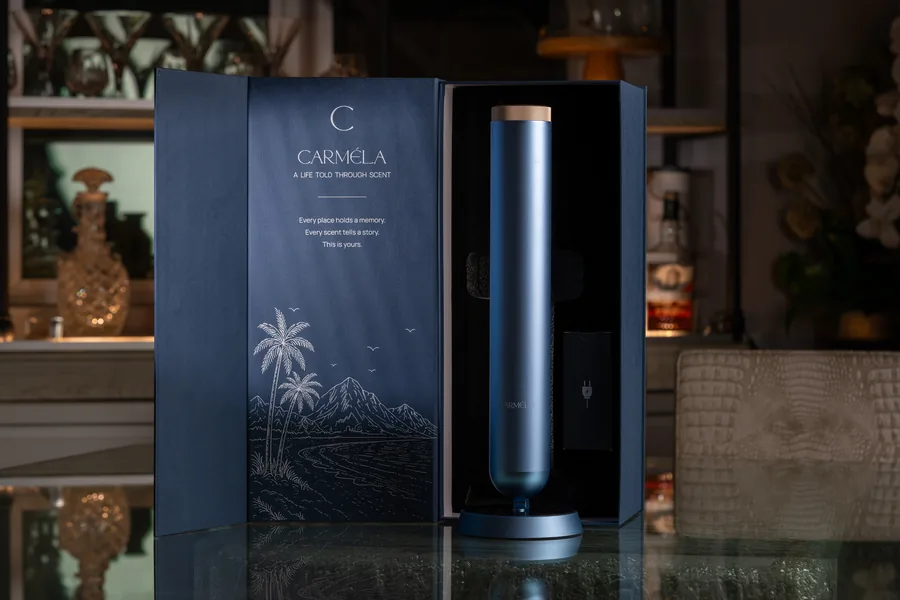
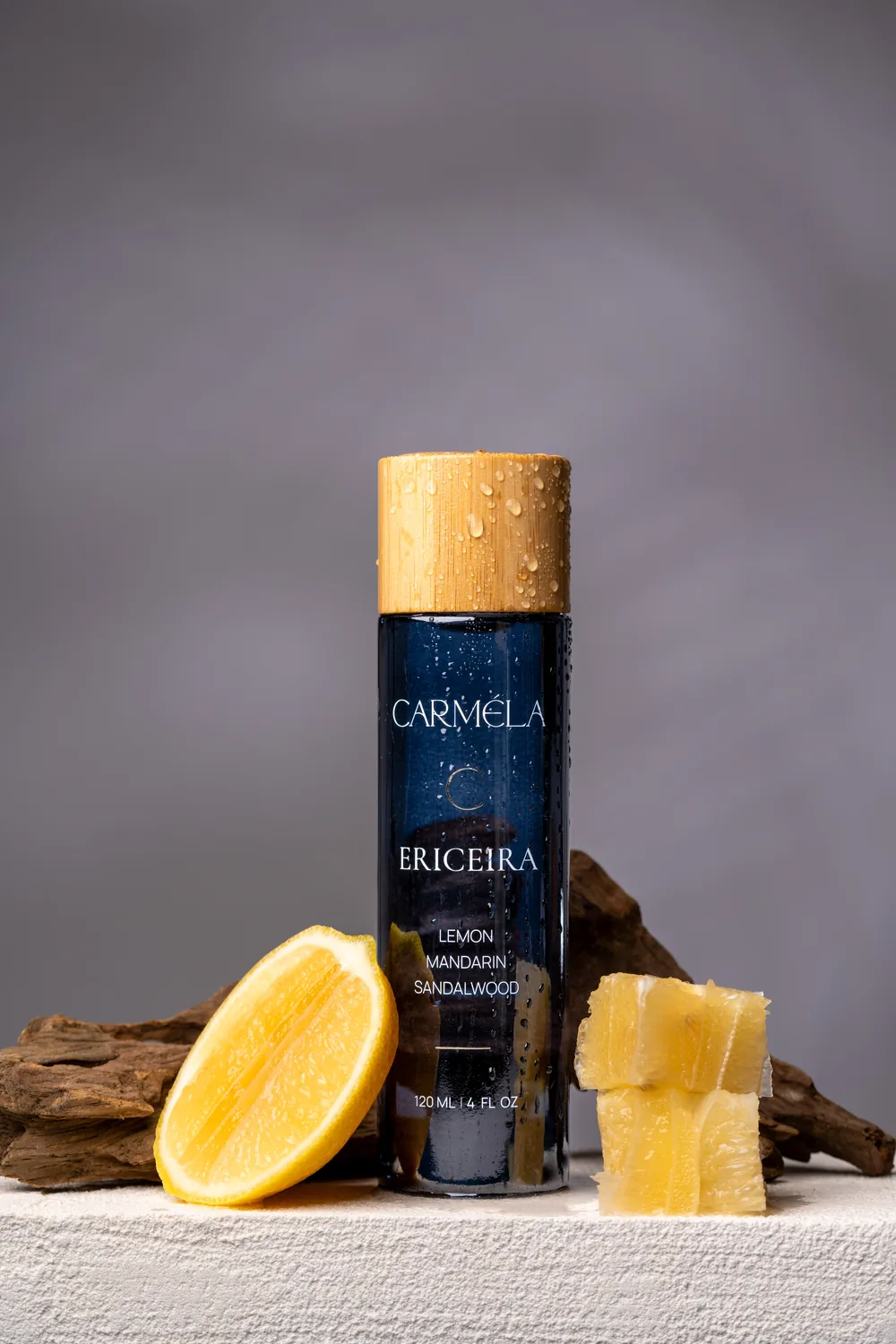
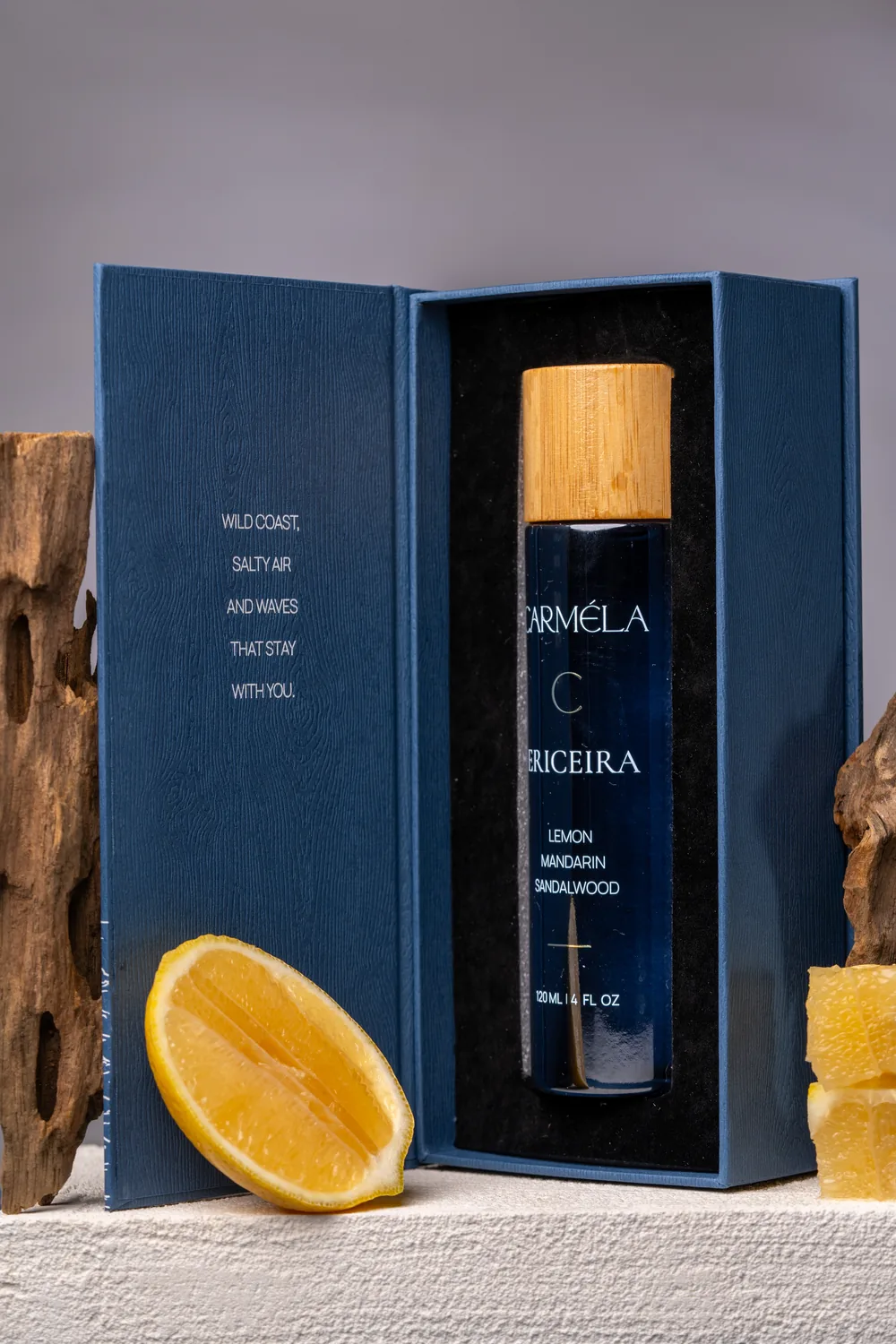
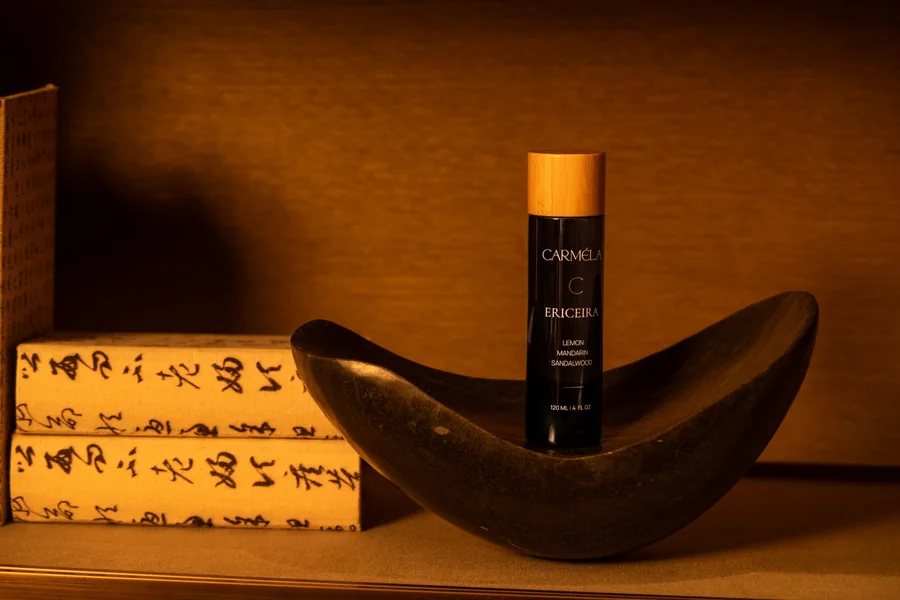
SERRA is made for genuine Carmela fragrance oils, in the bottle that sets directly into its body. All five signature Carmela fragrances are paraben-free. To preserve your SERRA warranty, use only genuine Carmela fragrance oils: using any other fragrance oil will void it.
If you share your home with pets
Many fragrance products, including some essential oils, can bother animals. If you live with pets, ask your vet about scenting your home, keep the diffuser out of their reach and start on a low setting.
Questions to ask before you buy any diffuser oil
- Is it made for this kind of diffuser? A nebulizing diffuser needs an oil formulated to flow cleanly through it.
- What does the maker say about other oils, and what happens to the warranty if you use them?
- Is the formula described honestly? Look for clear statements about what is left out, such as parabens.
- Is the scent composed to be the same every time you reorder?
- Can you try it first? A small sample is the best way to judge a scent in your own home.
How to store your oils
Keep fragrance oils tightly closed, upright, out of direct sunlight and away from heat. Light and warmth change a scent over time, so a cool cupboard is better than a sunny shelf. If you keep a spare bottle, store it the same way.
Trying before you commit
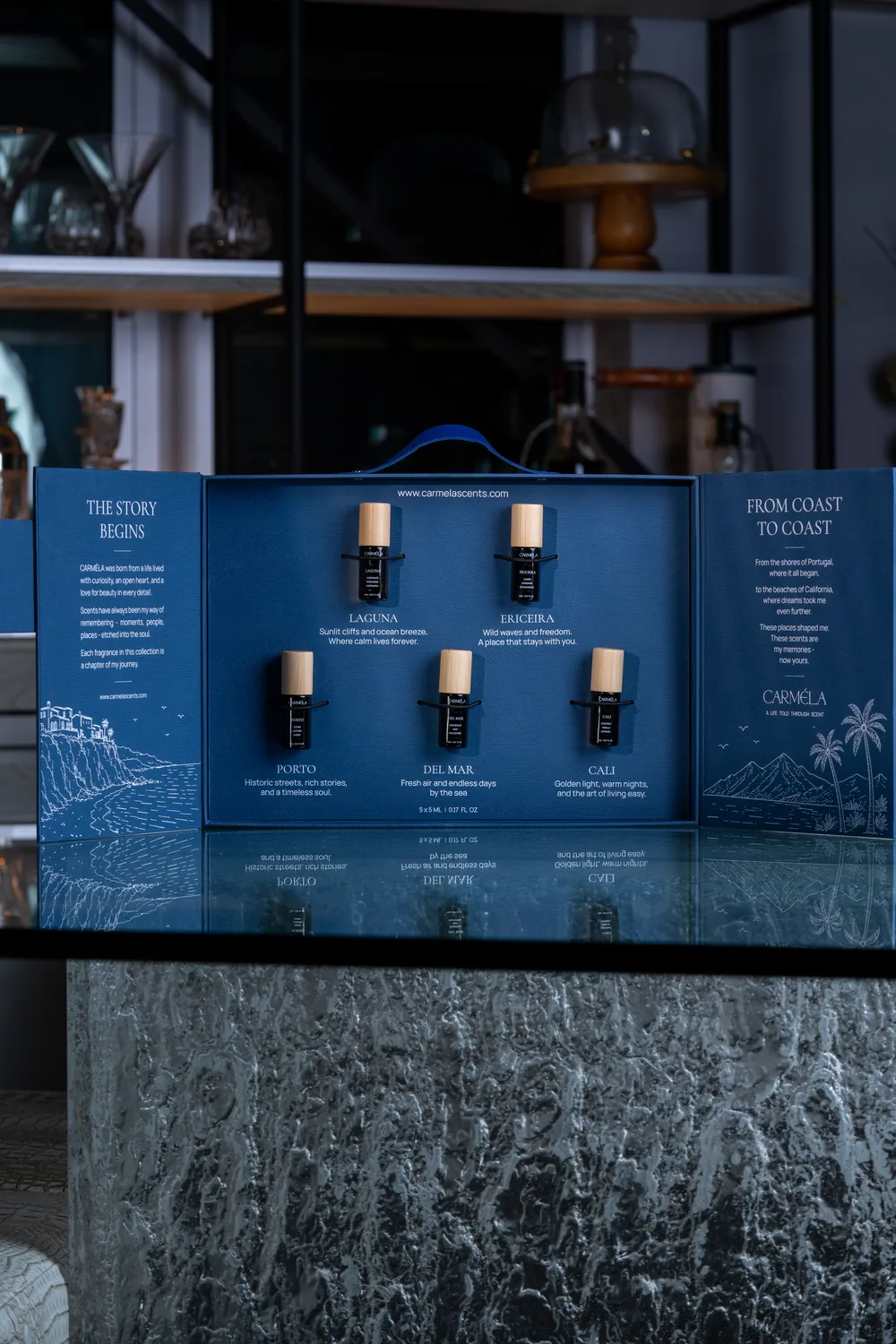
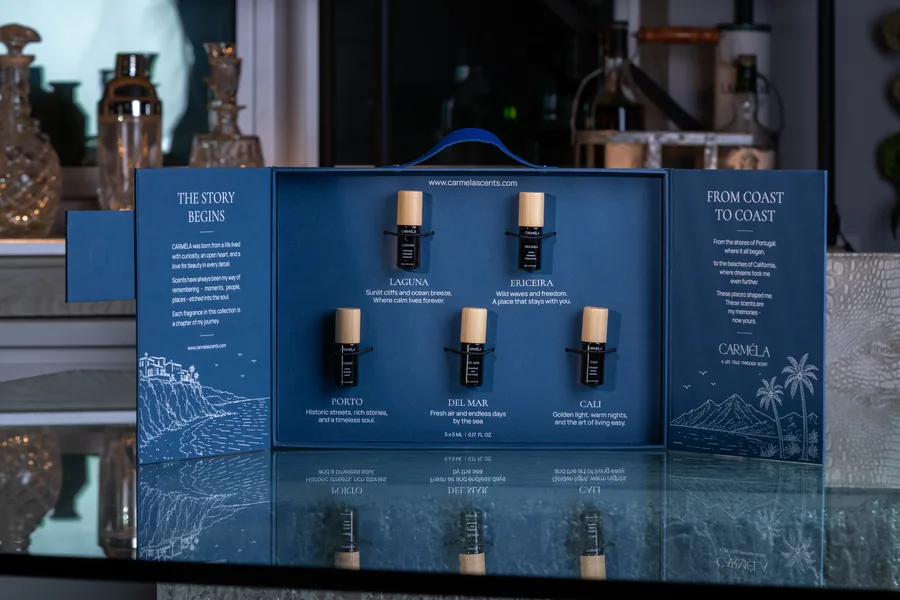
Because oils behave differently in a diffuser than on a card, the best test is to live with a scent for a few days. The Discovery Set holds all five Carmela fragrance oils in 5 ml bottles, so you can try each one in your own home before choosing a full 120 ml bottle.
Choosing between them
- Choose fragrance oil if you want a refined, layered scent that is the same every time.
- Choose essential oil if you want a single plant aroma and your diffuser is made for it.
- Whichever you choose, use the oils your diffuser's maker recommends.